Pay attention to the atmosphere the moment a group pulls on identical apparel before stepping out into the public eye. An unmistakable shift takes place almost instantly. New hires sitting through company onboarding suddenly feel recognized as core team members – and summer organizers stand out effortlessly in crowded venues. Trade show representatives present an unshakeable front against competitors simply by wearing cohesive gear.
Managing local events and designing branded merchandise ultimately converge on 3 non-negotiables – dependable fabric, crisp artwork and a reliable production timeline. Authentic Omaha screen printing turns standard promotional textiles into enduring wearable assets. People actually keep these high-quality items in their regular wardrobe rotation for years.
Screen Printing – The Gold Standard for Apparel
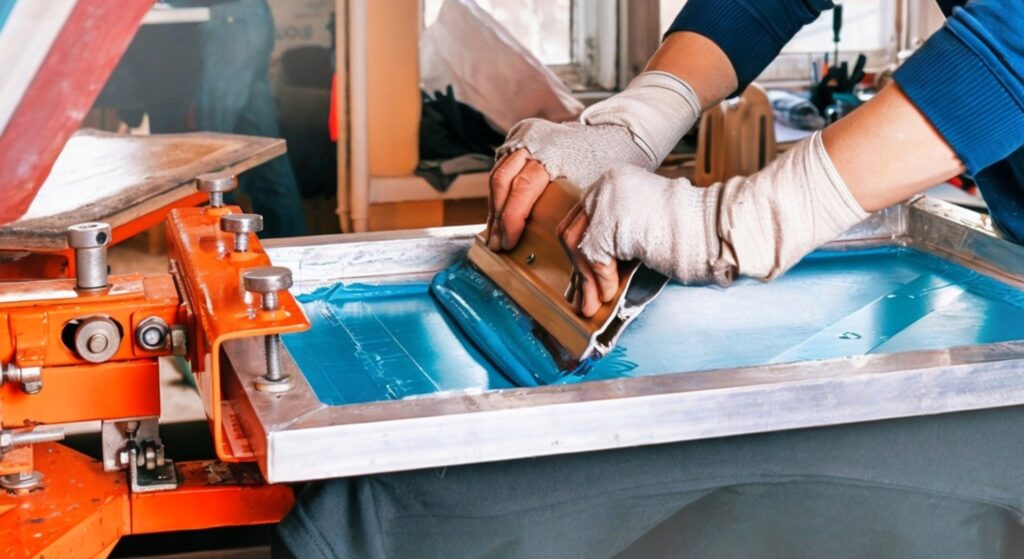
Traditional methods retain an undisputed grip on commercial garment production. Modern digital printers mist tiny droplets into the fabric but standard screen applications take a completely different approach. They push heavy-bodied plastisol ink straight through precision-tensioned mesh stencils. Here is exactly why Omaha screen printing continues to dominate the custom apparel industry:
- Surface-Level Vibrancy – Rather than soaking deep into raw yarn fibers – a flaw producing dull, washed-out graphics on dark textiles – the ink settles directly on top of the garment surface.
- Unmatched Durability – That physical deposition creates an opaque, tactile texture communicating absolute quality. The ink polymerizes into a durable, flexible shield during the high-heat baking phase.
- Massive Thermal Bonding – Organizations commissioning batches of Omaha shirts benefit from a permanent thermal bond. Intense heat application guarantees logos survive dozens of weekly laundry cycles without flaking away.
- Cost Efficiency at Scale – Projects demanding vivid color saturation rely heavily on Omaha custom screen printing. The method delivers an unbeatable per-unit value that alternative techniques simply cannot match – making it the top choice for companies placing large bulk orders.
Essential Graphic Principles for Impact Apparel
Keep Artwork Intentional and Minimal
Cluttered graphics overwhelm the human eye in motion. Your visual message must register in under 3 seconds. Focus on a clear emblem paired alongside minimal supporting text – an approach producing high-quality merchandise that looks clean and intentional. A passerby should grasp your company identity instantly without needing to decipher a paragraph of tiny text.
Limit Typography Hierarchy
Restrict typography to no more than two complementary font families. Pair a bold, character-rich headline font alongside a neutral sans-serif font. Use the simpler typeface specifically to display secondary subtext – like event dates, web addresses or regional coordinates. Overloading a design with five different fonts creates absolute visual chaos.
Enforce Vector Art Standards
Never rely on low-resolution web screenshots. Producing clean stencils requires true vector graphics – typically saved as native .AI, .EPS or editable .SVG files. Vector lines scale indefinitely without pixel distortion. Those crisp digital files guarantee razor-sharp stencil burns on the actual press.
Contrast Dictates Visual Impact
Striking apparel always hinges on deliberate contrast. Pair deep navy, forest green or jet black garments alongside bright white or vibrant pastel inks. Inverting light graphics onto dark blanks creates an immediate visual pop across any crowded room. Dark ink on a dark shirt gets lost entirely in the shadows.
Ink Chemistry – Plastisol vs. Water-Based Formulations
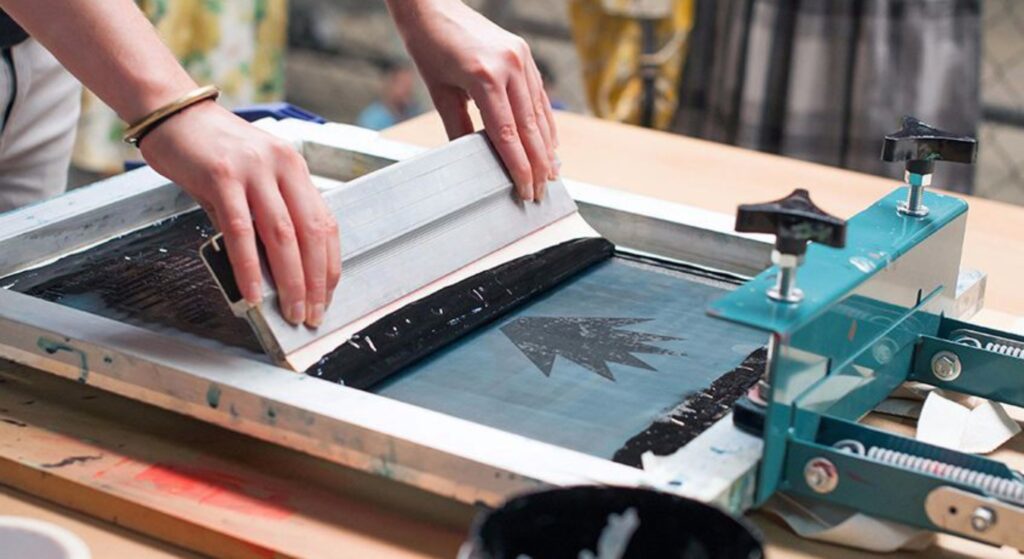
Selecting the right ink chemistry to match the intended environment serves as a crucial technical decision. Not all screen prints feel or perform the same way under real-world conditions.
- Plastisol Inks – The traditional industry standard remains plastisol. The formula utilizes PVC particles suspended in a plasticizer liquid – curing completely around 320 degrees Fahrenheit. Containing zero evaporating solvents, the mixture creates vibrant, highly opaque layers. These layers sit firmly atop dense cottons and fleece without ever fading. Colors pop beautifully because the ink acts as a physical barrier sitting strictly above the textile.
- Water-Based Inks – These specific formulations soak directly into textile threads. The water evaporates entirely during the high-heat cure cycle – resulting in an ultra-soft, breathable finish where you cannot physically detect ink on the fabric. Water-based printing performs exceptionally well on lightweight fashion tees. The process requires specific light-colored garments – or specialty discharge agents – to achieve full brightness on darker fabrics.
Choosing the right ink formulation guarantees your shirt printing Omaha NE delivers the exact balance between tactile durability and warm-weather breathability.
Fabric Selection – Matching Textiles to Purpose
Sourcing Omaha custom t-shirts means evaluating exactly how different fabric weights and yarn structures interact alongside wearers throughout changing seasons.
100% Combed Ring-Spun Cotton
Ring-spun yarns undergo continuous spinning that smooths every individual fiber. The resulting textile is exceptionally soft, highly durable, and provides a tight, lint-free surface ideal to hold crisp ink adhesion. Standard carded cotton feels rougher and holds ink poorly by comparison.
Polyester Performance Blends
Active work crews and outdoor charity runs demand athletic garments capable of regulating body heat. Moisture-wicking synthetics draw perspiration away from the skin. Those technical fabrics offer incredible comfort during intensely humid summer days. Sweaty cotton shirts cling uncomfortably — making polyester the smartest choice outdoors.
Tri-Blend Textiles
Blending polyester, ring-spun cotton, and rayon yields a signature vintage drape alongside buttery softness. Tri-blends carry a slight price premium, but they boast the highest organic re-wear rate among corporate gift recipients. Employees truly love the relaxed, broken-in feel of a good tri-blend shirt.
Heavyweight Streetwear Blanks
Thicker fabrics featuring drop-shoulder cuts and boxy silhouettes represent a major generational apparel shift. Sourcing dense blanks provides a premium retail aesthetic that younger staff and lifestyle brands naturally gravitate toward. Boxy fits move completely away from athletic cuts of previous decades.
Key Takeaways
- Omaha Screen Printing Delivers Lasting Quality: Professional screen printing produces vibrant, durable designs that make custom apparel ideal for businesses, sports teams, corporate events and promotional campaigns.
- Simple Designs Create a Stronger Visual Impact: Clean artwork, bold typography, high-contrast colours and vector graphics help branded apparel stand out while maintaining a professional appearance.
- Choosing the Right Ink Matters: Plastisol inks offer vibrant colours and excellent durability, while water-based inks provide a softer, more breathable finish for lightweight garments.
- Fabric Selection Influences Comfort and Longevity: Ring-spun cotton, polyester blends, tri-blends and heavyweight fabrics offer different benefits depending on the intended use, season and audience.
- Proper Planning Prevents Costly Ordering Mistakes: Accurate sizing, suitable garment styles and realistic production timelines help businesses avoid delays, unnecessary expenses and uncomfortable apparel.
Common Pitfalls to Avoid in Bulk Apparel Procurement
Navigating bulk custom orders successfully requires steering completely clear of these common missteps:
- Guessing Size Breakdowns – Rough approximations usually produce an excess of smalls and a painful shortage of large sizes. Send digital sign-up sheets early to capture precise garment dimensions directly from participants. Making wild guesses leaves half your team unhappy
- Ignoring Climatic Context – Distributing heavy, dark hoodies during an outdoor July picnic wastes marketing capital. Giving away ultra-thin tank tops at a late-autumn charity outing yields similarly poor results. Match garment warmth directly to the current season — thoughtful climate planning keeps the garments out of the donation bin
- Overlooking Production Lead Times – High-caliber Omaha screen printing involves multi-step technical staging. The timeline includes film printing, emulsion coating, exposure, press setup, test runs and thermal curing. Expecting same day bulk miracles often forces terrible compromises on blank availability or print complexity. Plan a comfortable two-week buffer instead. Rushing the process risks sloppy registration and under-cured ink
- Neglecting Unified Fit Options – Mandating a single unisex cut can alienate team members preferring relaxed cuts, feminine silhouettes or long-sleeve coverage. Offering parallel garment styles carrying identical artwork preserves brand unity – while actively accommodating personal comfort. People simply refuse to wear clothing that fits poorly
Grow Your Brand with Omaha Print Shop
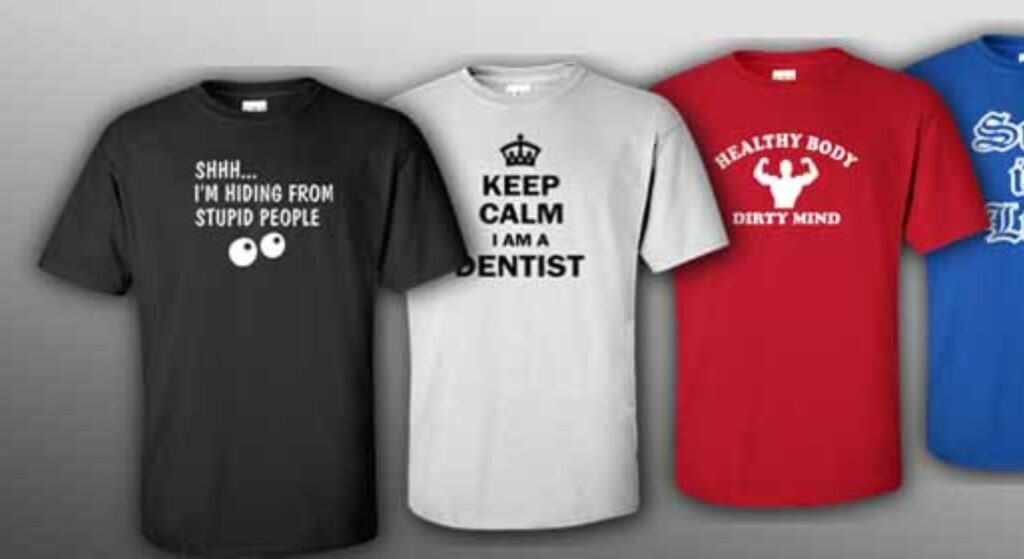
Omaha Print Shop serves as your premier local partner in the region. The team delivers unmatched Omaha screen printing, corporate embroidery and custom promotional apparel. Every single order comes backed by all-inclusive pricing. Outfitting an entire commercial workforce, staging a signature community run or launching custom merchandise becomes incredibly simple.
Contact with Omaha Print Shop today to start mapping out your next custom apparel project!
Frequently Asked Questions (FAQs) About Omaha Screen Printing
1) What is the minimum order quantity for custom screen printing runs?
Most commercial print shops establish a minimum threshold of 24 pieces to offset the manual setup time required to prepare individual screens.
2) How does screen printing differ from direct-to-garment digital printing?
Screen printing applies thick, opaque inks through physical mesh stencils to maximize longevity on bulk runs, whereas digital printing sprays tiny ink droplets better suited for small, photorealistic batches.
3) Can complex full-color photographs undergo traditional screen printing?
Multi-color photographs can reproduce using simulated process halftones, though this highly complex method requires multiple specialized screens and higher setup costs.
4) What specific wash routine preserves screen-printed graphics the longest?
Washing shirts inside-out in cold water and tumble drying on low heat—or air drying completely — prevents surface abrasion and maintains crisp print integrity for years.
5) What file format provides the cleanest reproduction on screen presses?
Native vector files such as .AI, .EPS, or .SVG provide perfectly sharp lines because vector graphics scale to any print dimension without generating any raster distortion.