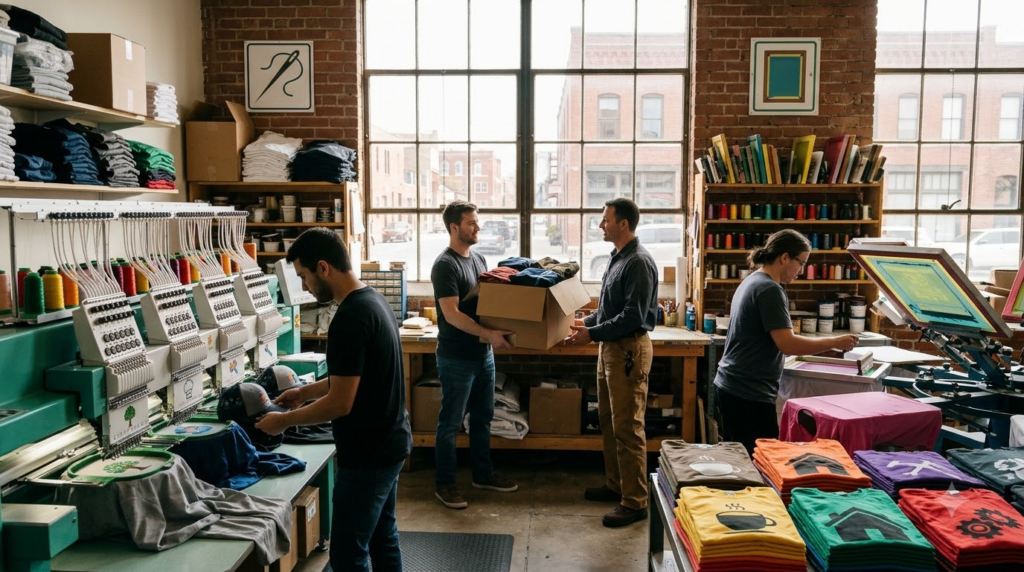
Custom apparel completely shifts how the public views a random group of individuals. A well-dressed crew projects unity instantly — turning everyday clothing into highly effective walking advertisements. Grabbing the attention of potential customers means supplying your staff or event attendees gear they actually want to put on their bodies. Creating those lasting impressions comes down to understanding the exact mechanics of embroidery and t-shirt printing. Let us explore the exact methods shaping the custom merchandise for local businesses in Omaha.
The Core Methods Behind Apparel Decoration
Apparel decoration relies on two entirely different physical processes. Stitching thread into fabric builds a highly textured surface. Applying ink to the garment creates flat colorful imagery.
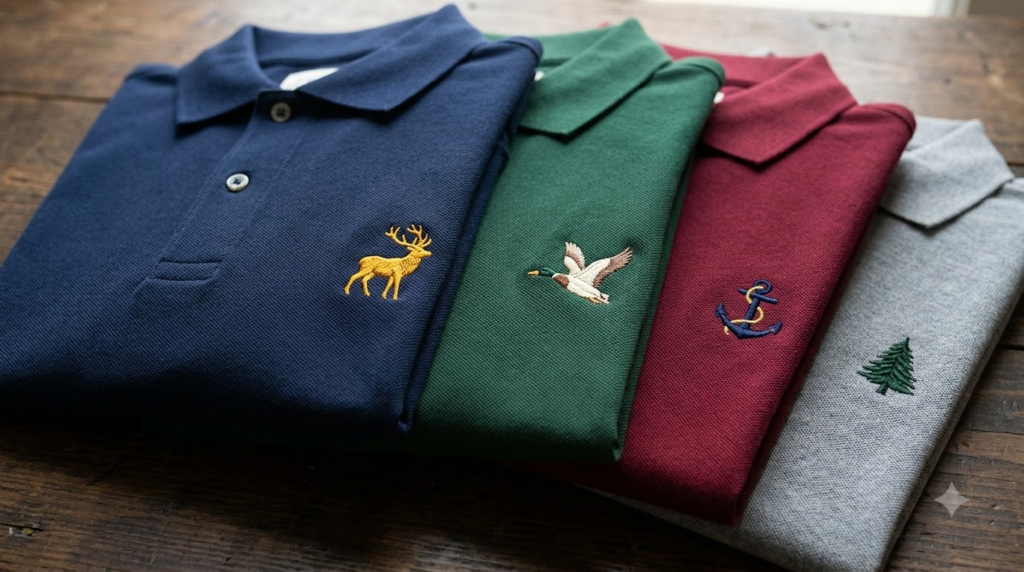
- Needle and Thread Artistry – Embroidery relies on heavy commercial machines to drive thick threads straight into the garment. The heavy thread creates a raised tactile logo communicating absolute professionalism.
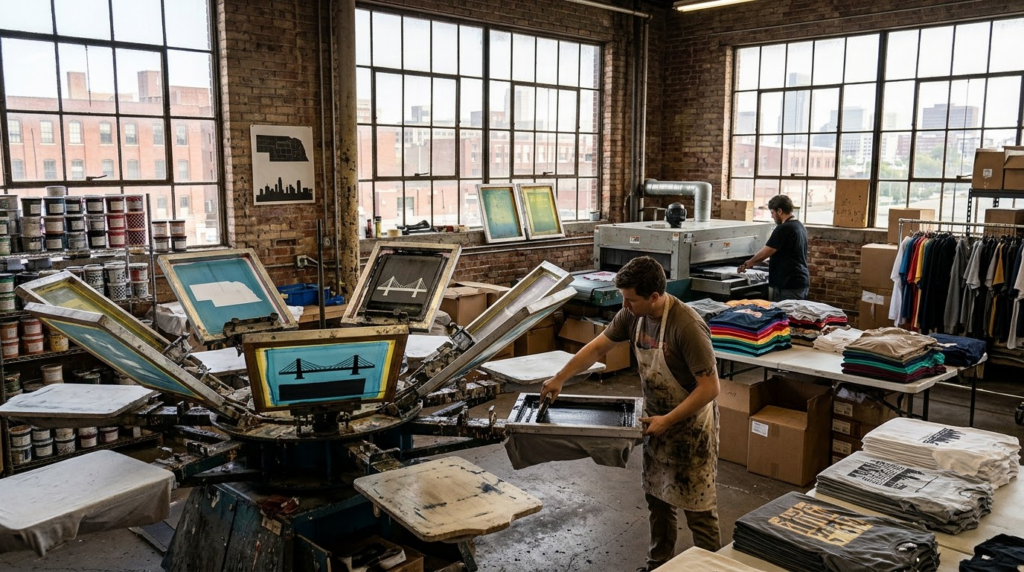
- Traditional Screen Application – Screen printing pushes thick plastisol ink through a tightly stretched mesh stencil. A squeegee forces the ink onto the fabric before the shirt travels through a high-temperature curing oven to bake the colors into a solid state.
- Digital Direct-to-Garment – Specialized print heads spray water-based ink droplets straight onto the fabric. The direct application requires absolutely zero screen setup fees — making it perfect regarding tiny batches of highly colorful designs.
- Thermal Heat Transfers – Heat transfer methods use heavy industrial presses to fuse vinyl designs or sublimation inks directly into the material.
Combining these techniques provides enormous flexibility. You might order a batch of casual event tees alongside a premiumcompany embroidered polo outlining your executive team.
Picking Between Inks and Threads
Selecting a decoration method dictates the durability and visual impact of your merchandise. Thread offers incredible longevity. A stitched logo typically outlasts the underlying shirt. That rugged nature makes embroidery the absolute standard regarding industrial workwear and restaurant uniforms. The downside involves strict detail limits. Tiny text and complex gradients do not translate well into thread. The physical needle needs enough space to penetrate the fabric without tearing the surrounding fibers.
Screen printing delivers vibrant color saturation across large surface areas. Bulk orders benefit immensely utilizing the low per-unit cost of pushing ink through screens. Digital direct-to-garment setups handle photorealistic images effortlessly. Think about the daily routine of the person wearing the garment. Construction workers tear through cheap shirts in a matter of days. Office workers prefer softer fabrics draping elegantly over the shoulders. Putting a heavy stitched logo on a flimsy promotional tee just looks terrible.
Preparing Garments Before Production Begins
Fabric selection makes or breaks a custom merchandise project:
- Combed Ring-Spun Cotton – The manufacturing process spins the fibers tightly to create an incredibly soft texture. The smooth surface holds printed ink beautifully without looking fuzzy or faded over time.
- Moisture-Wicking Polyester – Synthetic blends pull sweat away from the body during outdoor summer events. The breathable nature of polyester makes it the top choice regarding athletic events.
- Heavyweight Fleece – Thick sweatshirts handle the physical tension of a dense embroidery file perfectly. The heavy material prevents the stitched logo from sagging or puckering.
You must match the decoration technique to the material. Seeking guidance from localprinting services Omahaprevents these costly material mismatches. They know exactly how different textiles react to extreme heat and heavy needles. You never want to open a box of expensive merchandise just to discover the logos look distorted.
Perfecting Your Design Setup
Great apparel starts entirely on the computer screen. Hitting the print button on a blurry graphic will result in a terrible final product. Preparing digital artwork regarding embroidery and t shirt printing demands strict attention to file types.
Vector files scale infinitely without losing edge sharpness. Native formats provide crisp mathematical lines that automated cutting machines read perfectly. Raster images need high resolution to avoid looking jagged on the final shirt. Spending a little extra time polishing your digital files pays off immensely. Ask your designer to convert all text outlines into vector paths before submitting the final files to the printer.
Embroidery requires a completely different preparation step called digitizing. Specialized software converts a flat digital image into a complex map of needle paths. The digitizer assigns specific stitch types — like satin stitches framing borders and fill stitches blocking large sections of color.
Modern Production Trends Driving the Market
The custom apparel sector is experiencing a profound structural transformation right now. Consumers demand ethical production methods alongside rapid delivery times. Factories are pushing hard toward sustainability. Water-based inks are replacing harsh chemicals across the industry. Organic cotton blanks dominate catalog offerings as brands prioritize environmental responsibility. Ordering exactly what you need reduces wasteful inventory destruction.
Aligning your promotional merchandise with these modern values builds massive goodwill among your target audience.
Local manufacturing serves as a massive advantage during these supply chain shifts. A reliable t-shirt printing business Omaha provides rapid turnaround times because the goods never sit on an overseas cargo ship. Community-based shops adapt to modern sustainability standards much faster than international mega-factories. You get your gear much faster — and the quality control happens locally.
Key Takeaways
- Choose the Right Printing Method: Embroidery offers a durable, professional finish, while screen printing and direct-to-garment printing work well for colorful designs and custom apparel.
- Match Fabric With Decoration Techniques: Cotton, polyester, and heavyweight fleece have different properties, making fabric selection essential for comfort, durability, and print quality.
- Prepare High-Quality Artwork: Vector files, high-resolution graphics, and proper embroidery digitizing help achieve sharp, accurate, and professional-looking designs.
- Consider Order Size and Purpose: Screen printing is cost-effective for bulk orders, while digital printing suits smaller batches and detailed designs. Embroidery is ideal for uniforms and corporate apparel.
- Explore Modern Apparel Trends: Sustainable materials, water-based inks, and AI-assisted design tools are influencing how businesses create customized merchandise.
- Work With Local Omaha Printing Experts: Choosing reliable embroidery and t-shirt printing services in Omaha helps businesses select suitable materials, maintain quality, and streamline production.
Get the Best Embroidery and T Shirt Printing Services — Omaha Print Shop
Getting your team outfitted requires meticulous attention to detail and a solid understanding of the available manufacturing techniques. Properly executed embroidery and t-shirt printing turns a simple piece of fabric into a powerful marketing asset. Your brand deserves high-quality gear that employees and customers actually want to wear around town. Choosing the correct fabric guarantees a stunning final product.
Businesses seeking premium Omaha T shirt printing should connect directly with Omaha Print Shop. Our dedicated team handles everything ranging from bulk event tees to polished corporate attire — delivering top-tier results making your entire organization look incredible.
Let local professionals turn your creative vision into wearable reality today.
Frequently Asked Questions (FAQs)
1) What is the minimum order quantity regarding custom screen printing?
Most commercial print shops require a minimum of 12 to 24 items to offset the labor-intensive screen setup process.
2) Can you embroider a highly detailed photograph onto a jacket?
Thread cannot replicate the tiny pixels and subtle color gradients found in photographs — making digital printing the better option regarding complex imagery.
3) How do I prevent custom printed graphics from cracking after washing?
Wash the garments inside out using cold water and tumble dry them on a low heat setting to preserve the ink flexibility.
4) Which file format produces the sharpest logo on corporate apparel?
Vector files saved as .SVG or .EPS provide perfectly crisp lines scaling flawlessly across any garment size.
5) Is embroidery more expensive than digital garment printing?
Embroidery typically costs more upfront due to the specialized digitizing process. It provides vastly superior durability over the lifespan of the garment to make up the difference.
2 Responses