In today’s visually driven and highly competitive business landscape, establishing a recognizable brand presence is no longer just an option — it is a fundamental requirement for success. One of the most effective, tangible ways to plant your brand in the minds of your target audience is through wearable identity. When executed thoughtfully, company logo shirt printing transforms a standard piece of clothing into a walking billboard that commands attention.
Whether you are aiming to unify a workforce, create memorable merchandise for a high-profile event, or invest in custom apparel for small businesses, a personalized garment is a dynamic marketing asset. This comprehensive guide will walk you through the essential strategies for designing, refining, and producing custom apparel that elevates your brand and leaves a lasting, professional impression.
The Strategic Value of Company Logo Shirt Printing
Investing in high-quality company logo shirt printing is a multifaceted strategy that yields dividends far beyond simple aesthetics. It serves as a foundational element of your external marketing and internal corporate culture.
Here is why businesses of all sizes prioritize branded apparel:
- Dynamic Brand Promotion – Custom shirts act as mobile advertisements. Every time an employee, loyal customer, or brand ambassador wears your custom gear out in the world, they organically expand your visibility and regional reach.
- Polished Professional Image – A cohesive appearance is critical for building immediate trust. When your team arrives on-site looking unified and well-presented, it signals competence, reliability, and meticulous attention to detail to your prospects.
- Fostering Team Unity – Beyond external perception, custom garments cultivate internal belonging. Employees wearing branded apparel often feel a deeper, psychological connection to the organization’s mission — fostering collaboration and a shared sense of purpose.
- Cost-Effective Marketing – Compared to fleeting digital ads or expensive billboards, custom shirts offer an incredible return on investment.
Did You Know – A durable, well-printed shirt can be worn dozens of times over several years, providing sustained brand exposure for a single upfront cost.
Mastering the Art of Logo Shirt Printing
The physical transition from a digital file on a screen to a physical garment requires precise planning. If you want to know how to design a brand logo shirt that actually works in the real world, you must start by simplifying your message.
Wording and Message Clarity
The most common mistake in apparel design is clutter. A shirt is typically viewed in motion, meaning your audience only has a few seconds to digest the information.
- Choose direct words – Eliminate unnecessary filler.
- Highlight your core service – Ensure the wording directly reflects the fundamental goods or services that generate your revenue.
- Target your demographic – If local business is your bread and butter, integrating your city or region into the text can forge an immediate geographical connection.
Contrast and Lettering Styles
Once the messaging is finalized, visual contrast becomes your most valuable tool in company logo shirt printing. You need to direct the viewer’s eye immediately to the most critical word in your design.
- Harness the power of bolding – Making a keyword bold naturally draws human attention, emphasizing the cornerstone of your business.
- Uppercase vs. Lowercase – Capital letters generally provide a blockier, more substantial footprint, adding visual volume to a word. However, proceed with caution — all-caps can sometimes read visually as “shouting.” The key is balance.
- Tracking and Spacing – If you need a word to take up more horizontal space without increasing the font size, simply increase the tracking (the space between letters). This creates structural symmetry in stacked designs.
Choosing the Right Garment and Optimal Placement
A visually stunning design will still fall flat if it is placed on the wrong material or situated poorly on the garment. Understanding the canvas is just as crucial as understanding the paint.
Selecting the Fabric
The foundation of successful apparel lies in the material.
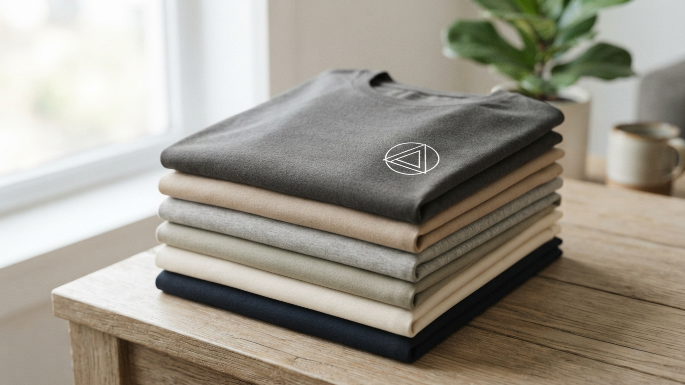
- 100% Cotton – Offers unparalleled comfort and a classic fit, making it ideal for standard promotional tees.
- Poly-Blends – These synthetic mixtures provide moisture-wicking properties and incredible durability, perfect for athletic events or physically demanding work environments.
Printing Techniques vs. Thread
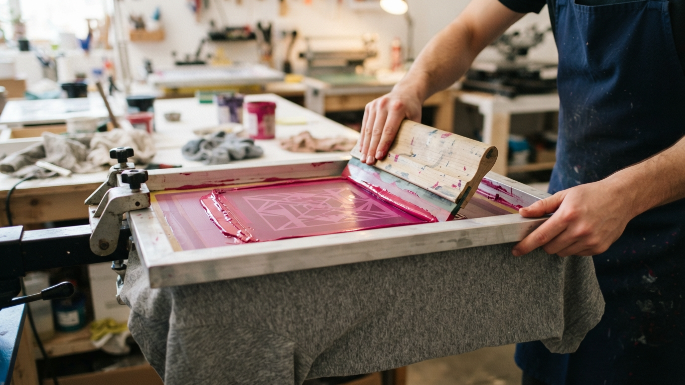
Depending on your brand’s aesthetic, you must choose the right application method. While the best screen printing techniques will yield vibrant, long-lasting colors that bond seamlessly with t-shirt fabrics, they aren’t the only option.
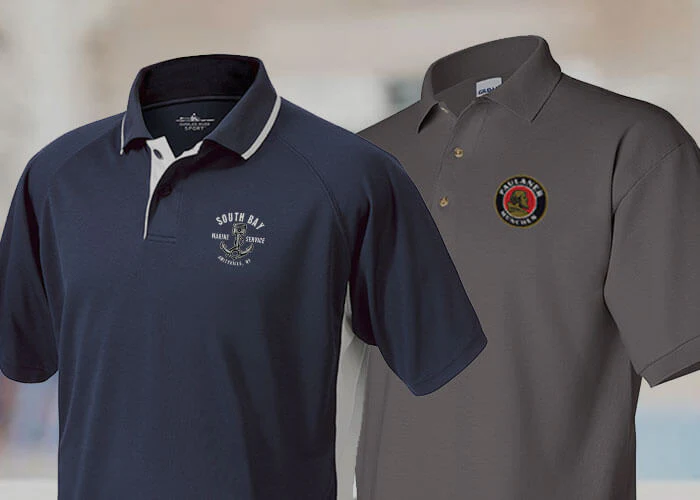
If you are outfitting a corporate sales team or a golf tournament, you might pivot toward Omaha polo embroidery — or a similar high-end stitching service — which offers a textured, dimensional, and deeply professional finish suited for heavier fabrics.
Strategic Placement
Where you put the logo matters.
- Left Chest – The standard for corporate and subtle branding. It is professional and unobtrusive.
- Full Front/Back – Best for bold promotional events, construction safety gear, or loud retail merchandise.
- Sleeve or Nape of Neck – Excellent secondary placements for website URLs or subtle brand marks that add a premium retail feel to the garment.
Typography, Spacing, and Color Psychology
The final polish of any custom apparel project involves the meticulous manipulation of fonts, spacing, and color palettes.
Typography and File Integrity
A great font conveys mood instantly — a rigid serif font implies traditional authority, while a sweeping script suggests creativity or elegance. When sourcing typography, always utilize open-source, commercially licensed fonts to avoid legal complications.
Furthermore, ensure your vector files are clean. Poorly constructed fonts can contain vector anchor point glitches — often referred to as “stroke spikes.” When a stroke is applied in a design program, these unclosed paths create jagged, unsightly outcroppings that will absolutely show up in the final print.
The Impact of Color
In logo shirt printing, color is a major emotional trigger. Your fill and stroke colors must not only ensure high readability against the fabric color but also convey the right psychological message:
- Red & Orange – Energy, urgency, passion, and action.
- Blue & Green – Trust, security, growth, and natural harmony.
- Black & White – Sophistication, power, purity, and modern minimalism.
To tie a multi-colored logo together, designers often utilize an enclosing shape — like a bold circle, a subtle textured background, or a contrasting double stroke. This “halo effect” contains the design, ensuring it feels like a single cohesive badge rather than disconnected floating elements on a shirt.
Key Takeaways
· Company logo shirt printing is a practical way to improve brand visibility, build team unity, and create a more professional business image.
· Simple wording and a clear message help people understand your brand quickly, even when the shirt is viewed from a distance or in motion.
· Strong contrast, readable fonts, and balanced spacing make the design look cleaner, sharper, and easier to recognise.
· The right fabric should match the shirt’s purpose, whether it is intended for everyday staff wear, events, promotions, or physical work.
· Screen printing is ideal for bold, durable graphics, while embroidery offers a more polished and premium finish for corporate apparel.
· Strategic logo placement and thoughtful colour choices help create branded shirts that feel professional, memorable, and visually consistent.
Partner with Experts for Your Company Logo Shirt Printing
Custom company apparel is an incredibly effective vehicle for engaging your audience, rewarding your team and amplifying your visual identity. However, turning a great digital concept into a flawless physical product requires the hands of experienced professionals.
If you are looking for a reliable print shop for shirts, Omaha Print Shop is your premier destination. With years of dedicated industry experience, a commitment to premium materials, and a strict adherence to deadlines, our team ensures your brand is represented flawlessly. We guide you through every step — from selecting the perfect garment material — to executing vibrant, durable prints that withstand the test of time.
Ready to elevate your brand’s presence? Contact Omaha Print Shop today to begin your custom apparel journey.
FAQs
1) What is the most durable method for logo shirt printing?
Screen printing is widely considered the most durable method for bulk apparel, as the thick plastisol inks cure and bond directly with the fabric for long-lasting vibrancy.
2) How large should a standard left-chest company logo be?
For a clean and professional look, a standard left-chest logo should typically measure between 3 to 4 inches in width, ensuring it is legible without overpowering the garment.
3) Can I use a JPEG file for my custom company shirts?
While high-resolution JPEGs can sometimes be used, vector files (like .EPS, .AI, or .SVG) are always preferred by print shops because they can be scaled infinitely without losing quality.
4) Is embroidery better than screen printing for corporate wear?
Yes, embroidery is generally preferred for corporate wear — such as polos and heavy jackets — as the threaded texture provides a highly professional, dimensional, and premium appearance.
5) How do I choose the best shirt color for my brand’s logo?
Select a shirt color that provides high contrast against your primary logo colors; for example, a dark navy or black logo pops best on lighter fabrics like white, heather gray, or soft pastels.